Request A Quote
 Contact Us
 India (Select Country)

 Australia
 UK
 USA
 South Africa
 Malaysia
 German
 UAE


Roto KWIK - Maintenance-in-Place Pumps
Maintenance Made Faster. Performance Made Stronger.
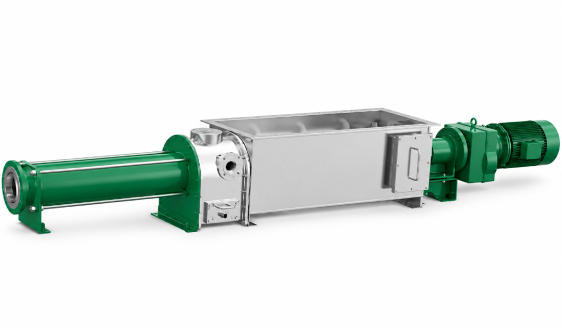
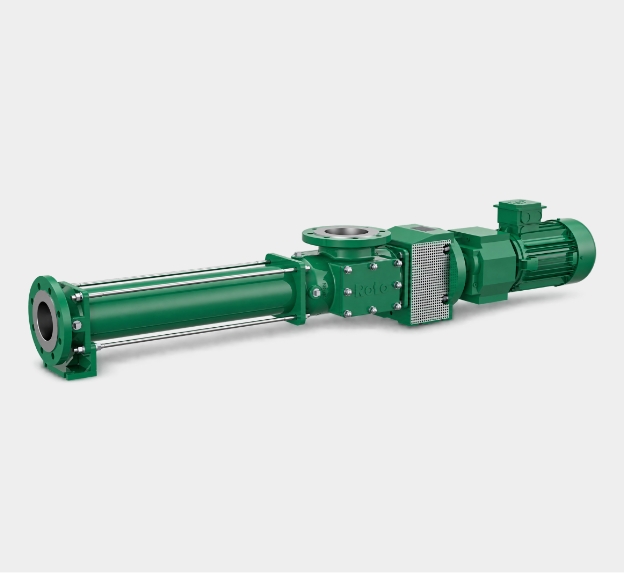
Roto KWIK Pumps are progressive cavity pumps engineered on the Maintenance-in-Place platform.
Flow Rate -
Up to 360 m3/hr / 1585 GPM
Pressure -
Up to 24 Bar / 350 PSI


What are Maintenance-in-Place Pumps (MIP Pumps)?
Maintenance-in-Place (MIP) Pumps are progressive cavity pumps designed to allow quick rotor and stator maintenance without removing the pump and without dismantling the suction and delivery pipelines. This design minimizes downtime, simplifies servicing, and significantly reduces maintenance costs in demanding industrial applications.
Working Principle- How Roto KWIK Maintenance-in-Place Pumps Work
Maintenance-in-Place pumps operate on the progressive cavity pump principle, where a helical rotor rotates inside a double-helix stator to create sealed cavities that move fluid from suction to discharge. However, the key difference lies in the maintenance design, which allows servicing without disturbing the pump installation.


Key Benefits of MIP (Maintenance-in-Place) Pumps
Reduced Downtime
Rotor and stator can be removed quickly without dismantling pipelines.
Faster Maintenance
A single maintenance technician can service the pump using standard tools.
Lower Maintenance Cost
Reduced labor time and simplified service procedures reduce operational costs.
Minimal Installation Space
No extra dismantling space is required around the pump.
Leakage-Free Stator Design
A one-piece stator construction eliminates the risk of media leakage common in split stator designs.
Smooth Power Transmission
Universal Cardan joint ensures efficient transmission of angular loads and handles higher axial loads.
Seamless Upgradation
Existing progressive cavity pumps can often be converted to the KWIK maintenance platform with minimal pipeline modifications.
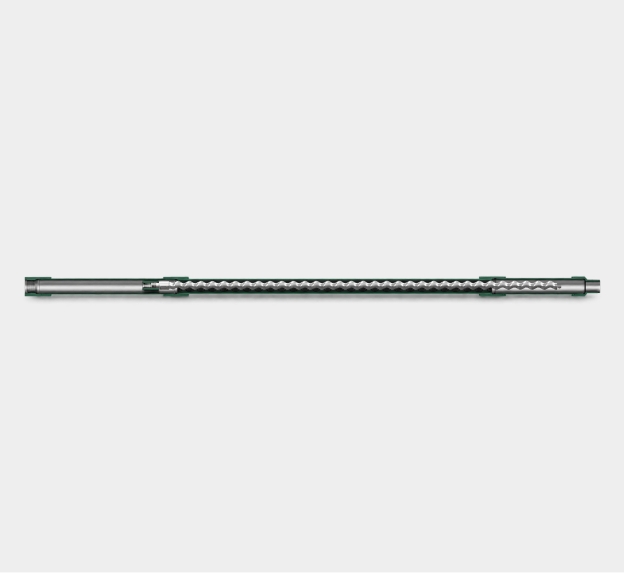
Exploded Pump View of Roto KWIK Pumps
Maintenance-in-Place pumps incorporate several engineering features that simplify maintenance and improve reliability.

Clamp
Specially designed clamp enables quick removal of rotor and stator without dismantling discharge line.
Optimised Rotor Stator Geometry
Improved rotor stator geometry minimizes wear due to lower rubbing velocities.
Xtra Value Universal Cardan Joint
The Cardan type of UJ joint employs two sets of perpendicular pins, each providing freedom of angular movement, which facilitates smoother transmission of angular loads. It also withstand higher axial loads.
Split Coupling Rod
Enables quick dismantling of pumping elements from the coupling rod.
Dual Inspection Windows
Provides access to split coupling rod and also allows removal of any blockage.

Wear Compensation Stator
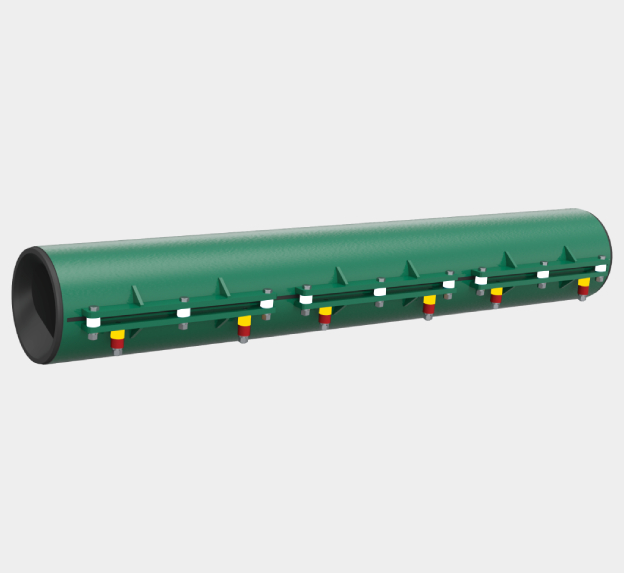
The Roto Wear Compensation Stator is a smart, adjustable stator system designed to counteract the natural performance drops caused by abrasive wear in Progressive Cavity Pumps.
Rather than relying on complex recalibrations or unpredictable tightening methods that risk pump seizure, this innovation works through a straightforward, three-stage spacer system utilizing precision-engineered, color-coded inserts (White, Yellow, and Red) to maintain a perfectly uniform interface between the rotor and stator. By allowing maintenance teams to make quick, precise torque adjustments as wear occurs over time, it effortlessly restores flow, pressure, and volumetric efficiency turning what would normally be a costly, full-stator replacement into a quick adjustment that drastically extends pump longevity, minimizes downtime, and lowers the total cost of ownership.
Explore more
5 Quick & Simple Steps To Dismantle Rotor & Stator
Dismantling & re-assembly of the Roto KWIK range of pumps...
- 01
Unscrew the clamp and slide the boot seal.
- 02
Unscrew the hex nuts to remove the end cover flange and tie rods.
- 03
Unscrew the domed cap nuts to remove the inspection window and gasket.
- 04
Slide the seal ring to remove stator assembly.
- 05
Remove rotor & stator for maintenance.

5 Quick & Simple Steps To Dismantle Rotor & Stator
Dismantling & re-assembly of the Roto KWIK range of pumps...
-
Unscrew the clamp and slide the boot seal.
-
Unscrew the hex nuts to remove the end cover flange and tie rods.
-

Unscrew the domed cap nuts to remove the inspection window and gasket.
-

Slide the seal ring to remove stator assembly.
-

Remove rotor & stator for maintenance.
This process can often be completed within minutes using standard tools, significantly reducing plant downtime.

A Smarter Approach to Pump Maintenance and Enhanced Reliability
Modern industrial facilities prioritize operational uptime, predictive maintenance, and simplified servicing.
Maintenance-in-Place pumps support these goals by:
- Reducing maintenance downtime
- Simplifying spare part replacement
- Lowering lifecycle costs
- Improving plant reliability
These advantages make MIP platforms increasingly preferred over conventional progressive cavity pump designs.
Need Help Selecting the Right MIP Pump?
If you are evaluating Maintenance-in-Place progressive cavity pumps for industrial applications, consult an experienced pump manufacturer or supplier who can recommend the correct rotor-stator configuration, materials, and performance specifications for your process requirements.
Contact a trusted pump specialist to discuss FSIP compatible or Smart Conveying Technology based solutions for your facility.
Connect With Our ExpertsRoto Progressive Cavity Pump Range